



اجزای آسیاب نورد
/In the realm of industrial machinery, structural rolling mills, known as مطحنة درفلة هيكلية, play a pivotal role in shaping raw materials into rigid, durable frameworks used in construction and manufacturing industries. These mills, revered for their efficiency and precision, transform basic metal shapes into high-strength beams and columns, integral to modern-day infrastructure. Here’s a deep dive into their significance, components, and operational intricacies, presented through a lens of credibility, expertise, and real-world applicability. Structural rolling mills are the backbone of heavy-duty construction projects, underpinning skyscrapers, bridges, and stadiums worldwide. Their ability to process various materials, such as steel, aluminum, and copper, into precise structural components, is unparalleled. These machines are designed to handle extreme pressures, ensuring that the end products not only meet but exceed industry standards for strength and durability. Delving into their expert craftsmanship, a structural rolling mill operates through a series of meticulously engineered rolling stands. Each stand is equipped with rolls shaped to form the metal workpiece, gradually molding it over multiple passes into the desired cross-section. This step-by-step transformation is crucial, as it ensures uniform thickness and consistent material properties across the entire product. The integration of advanced technology elevates these mills' authority within the manufacturing sector. Modern structural rolling mills are equipped with computerized controls and real-time feedback systems, which monitor and adjust the rolling process with pinpoint accuracy. This technological advancement minimizes human error, increases efficiency, and upholds the highest safety standards. Consequently, they generate products that are not only aesthetically pleasing but also foundationally sound. Structural drill mill Trust in structural rolling mills is further reinforced by strict adherence to international quality certifications. Mills are subject to rigorous audits and compliance checks, ensuring they operate within mandated guidelines. Such regulations cover everything from the raw material handling to the final product inspection, cementing the integrity of every beam, bar, and angle produced. Manufacturers who adopt these regulations are perceived as leaders, setting benchmarks in industrial quality and reliability. Real-world experience with structural rolling mills highlights their transformative impact . For instance, major metropolitan areas undergoing rapid expansion rely on these mills to supply prefabricated sections that expedite construction timelines and reduce environmental impact. Furthermore, engineers and contractors prefer them for their ability to produce custom shapes tailored to unique architectural blueprints, thus fostering creativity while maintaining structural integrity. As sustainability becomes an increasing priority, structural rolling mills are innovating towards eco-friendly operations. Many are now incorporating recycled materials and embracing energy-efficient processes, reducing their carbon footprint without compromising on quality. This shift not only supports global environmental goals but also appeals to conscientious businesses seeking green alternatives in their supply chains. In conclusion, the crucial role and continuous evolution of structural rolling mills in the industrial sector cannot be overstated. Their blend of craftsmanship, technology, and stringent quality control measures ensures they remain a cornerstone of modern construction and manufacturing. Trust in their capabilities is not solely based on their output but also on a profound commitment to innovation, sustainability, and excellence. This comprehensive embrace of Experience, Expertise, Authoritativeness, and Trustworthiness epitomizes their lasting impact on a global scale.

We have successfully executed over 500
projects around the world,
many first-of-their-kind
research projects and products in China, including
We have successfully executed over 500
projects around the world,
many first-of-their-kind
research projects and products in China, including
-
2004
The 1st hydraulic AGC system for hot rolling of ribbon steel
-
2006
The 1st AFC system used for 1450mm skin pass mill
-
2009
The 1st 5-stand tandem line with 2-stand POR & Uncoiler for 650mm ribbon steel
-
2012
The 1st reversing mill for 1380mm strip
-
2016
The 1st soft-rolling system used in skin pass mill
-
2019
The 1st fully automated medium-width tandem cold rolling mill
-
2021
The 1st 5000KN Twin-stand double skin pass mill
-
2022
The 1st coupled pickling line & tandem cold mill with two modes - big roller & small roller
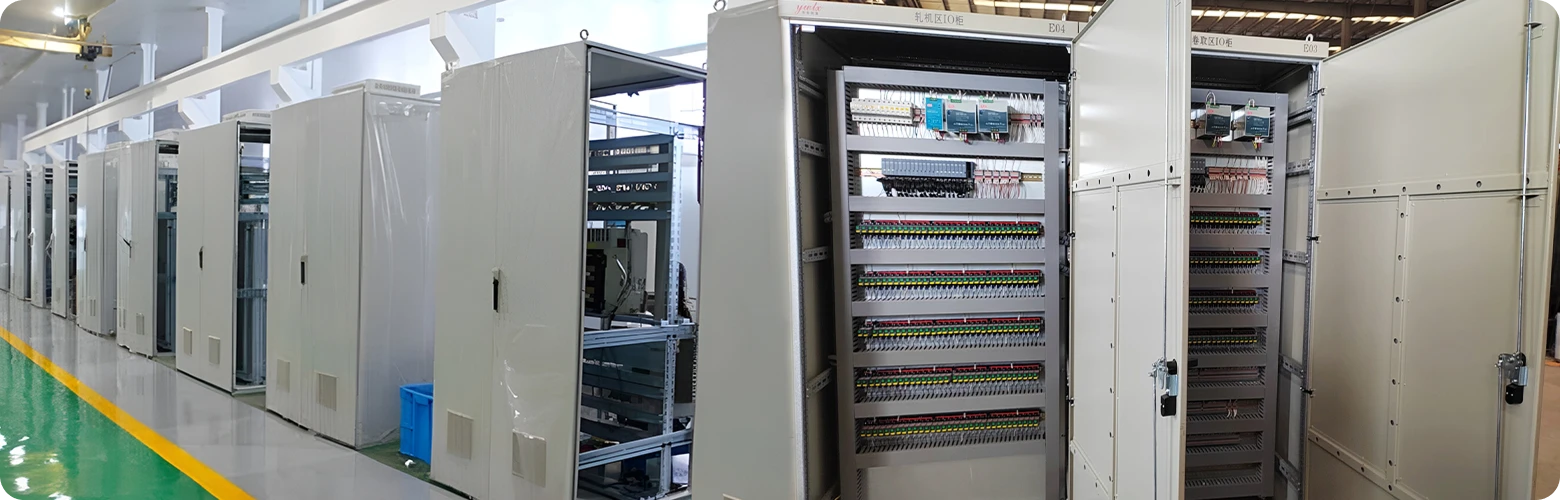
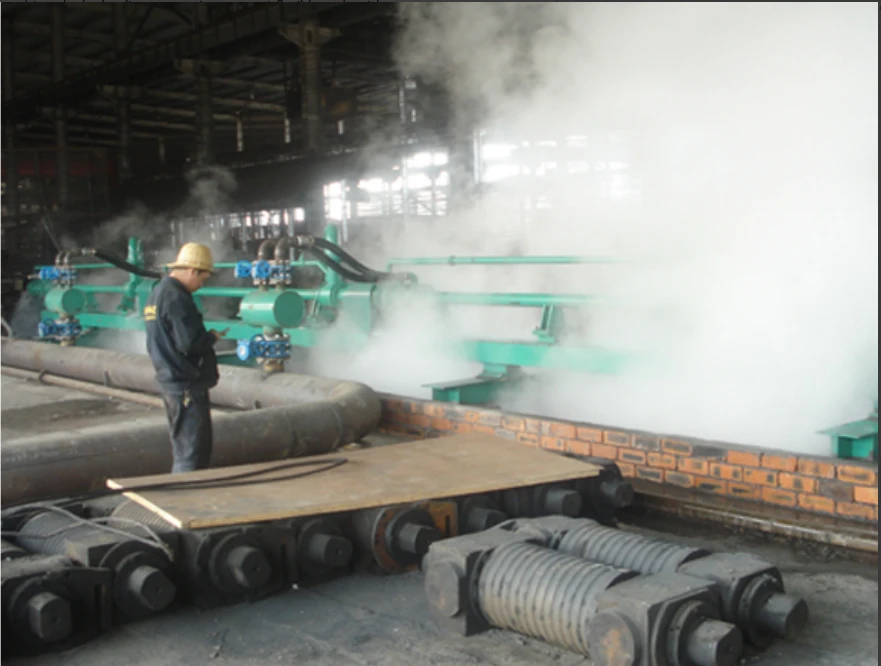
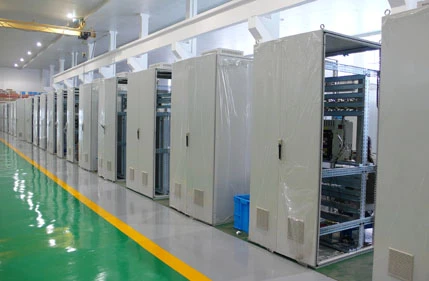
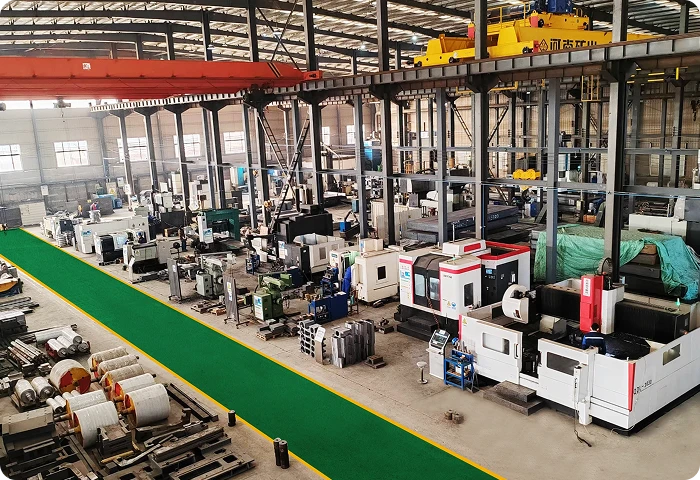
Yang Wang Li Xin operates a state-of-the-art facility over 66,000 square meters,and our manufacturing facility is fully equipped with high-tech machinery and high-capacity cranes. This enables us to handle large work pieces measuring 4.5m in width, 10m in length, and 1.5m in height, guaranteeing our capacity to produce 1800mm skin-pass mills and 1450mm rolling mills. The individual piece can weigh up to 100 tons.

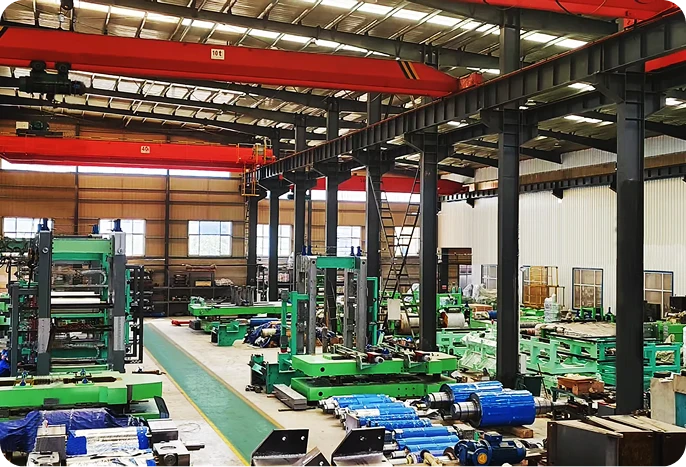

Quality is fundamental to the enterprise survival. We have established a comprehensive and meticulous quality management system and have successfully obtained ISO14000 certification. Starting from the design source, it supervises the entire production cycle, including design, procurement, processing, assembly, in-factory testing, installation, and online commissioning. The workshop is equipped with measuring tools like vernier calipers, spectrometers, hardness testers, and ultrasonic flaw detectors. They are used to check materials and control tolerances to ensure the final equipment meets or exceeds requirements. All products have a unique code, This enables the easy identification and traceability of the equipment components and ensures full control of quality.


-
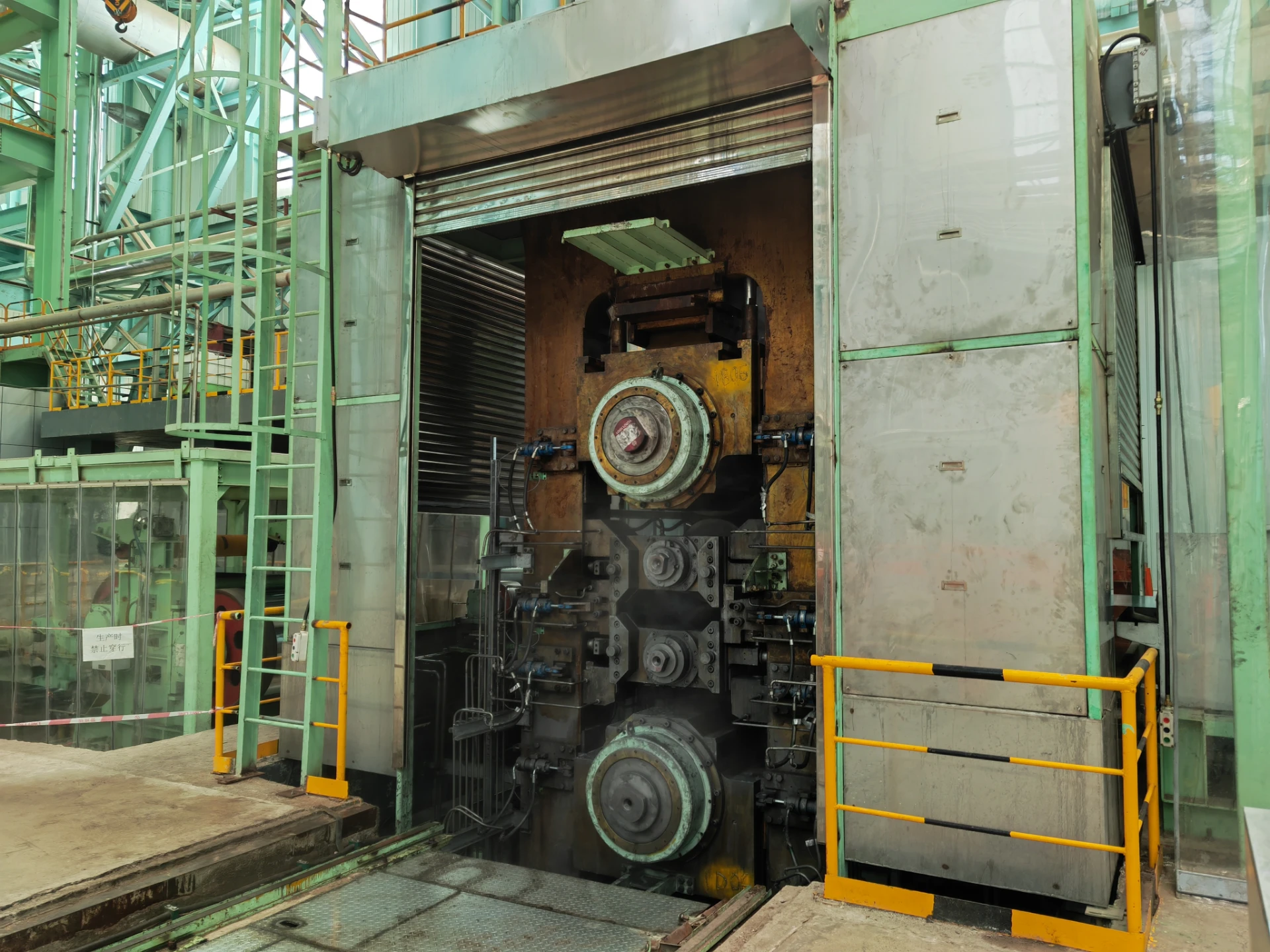 Roll Bonding Cladding Tech | Lightweight SolutionsRoll bonding cladding is a pivotal surface engineering process for manufacturing bimetallic plates, tubes, and components essential in sectors like petrochemical, metallurgy, and infrastructure. As global industries shift toward higher quality, longevity, and environmental performance, hot roll bonding cladding and advanced roll bonding cladding equipment have rapidly become key drivers of innovat
 -
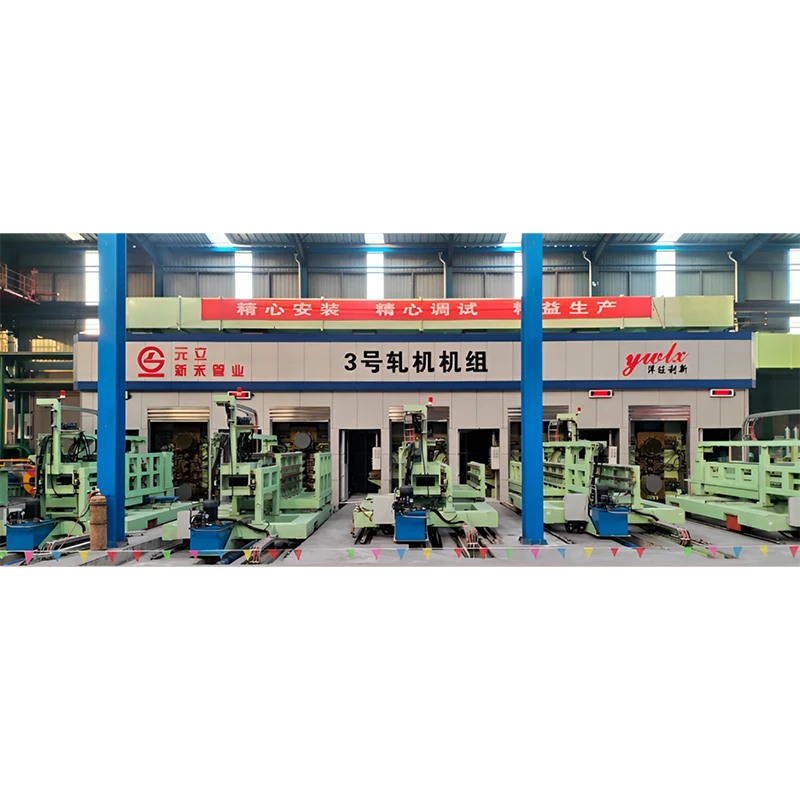 Water Quenching System For Bar And Wireآسیاب نواری, or belt grinders, are quintessential tools widely used in various industrial applications for shaping, finishing, and smoothing a wide array of materials. Especially in metalworking and woodworking, these versatile tools have become indispensable. Their utility extends from professional workshops to the avid do-it-yourself enthusiast's garage. Understanding their applications, feature
 -
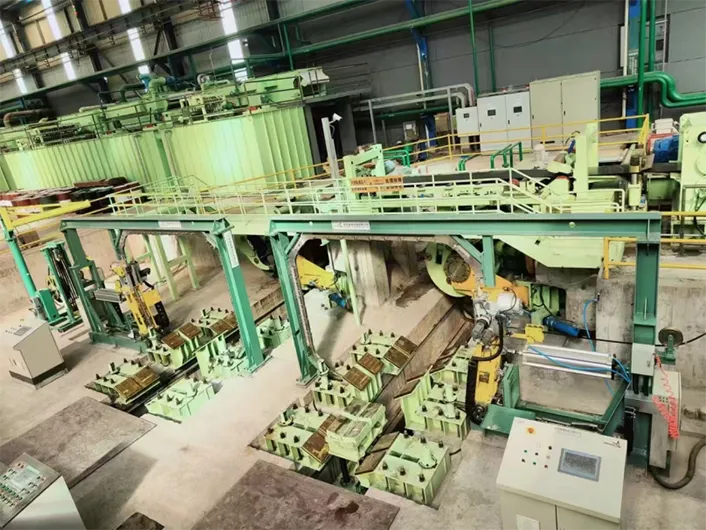 The Application of Temper Mill in Pickling LineIn the intricate world of steel processing, the temper mill holds a significant position, especially when integrated with the pickling line. The pickling line is crucial for removing oxides, rust, and other impurities from the surface of steel, while the temper mill further refines and improves the quality of the steel after pickling. The Role of Temper Mill in the Pickling Line Process After the


